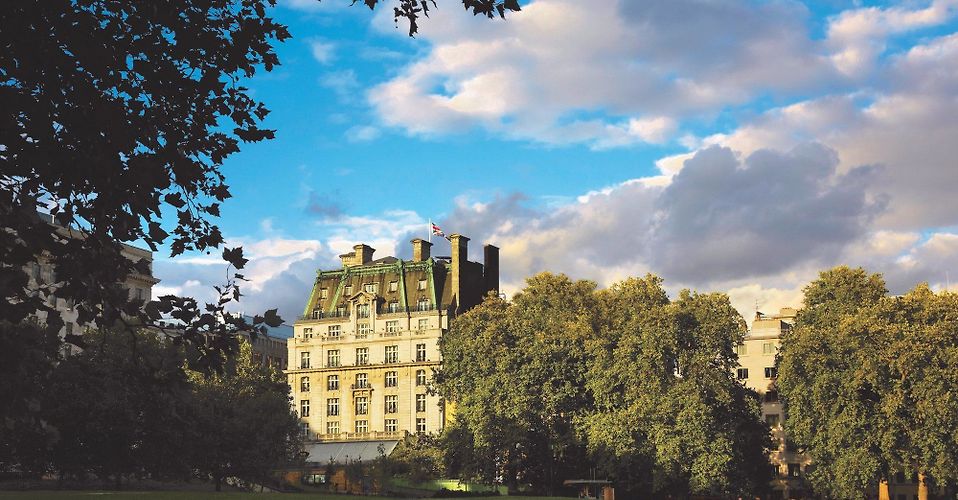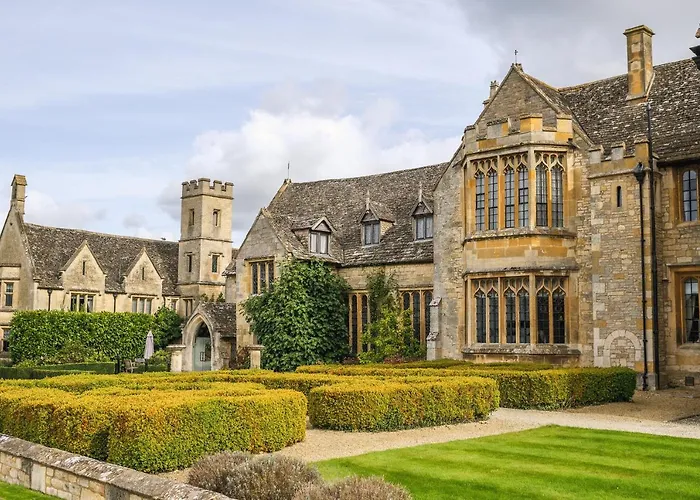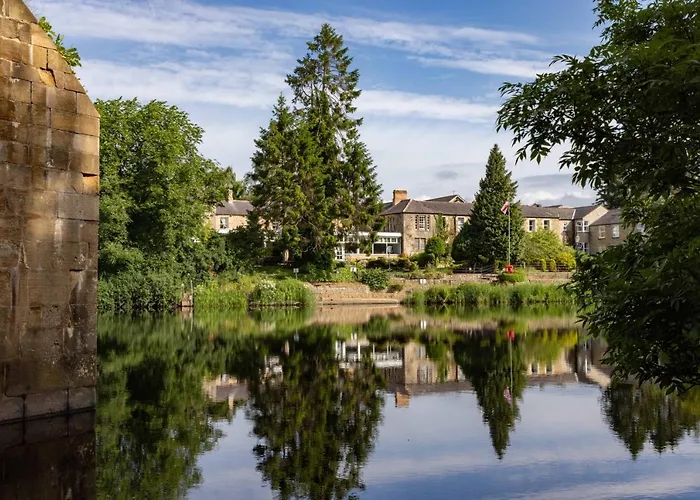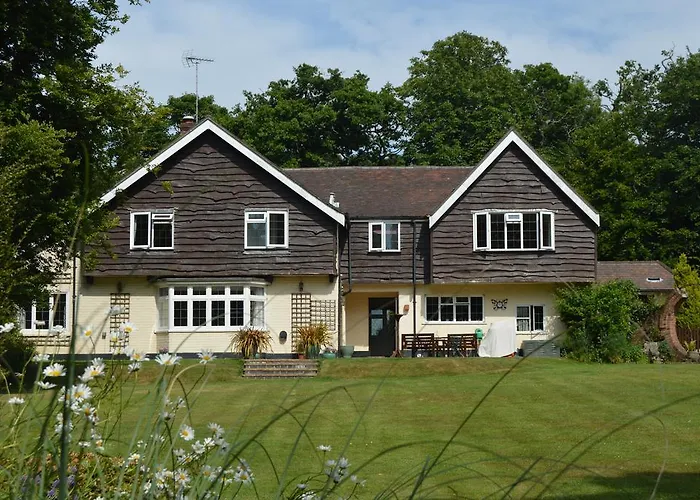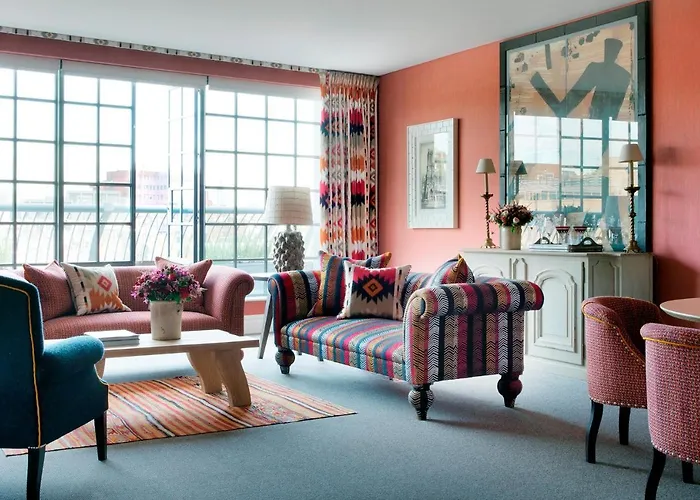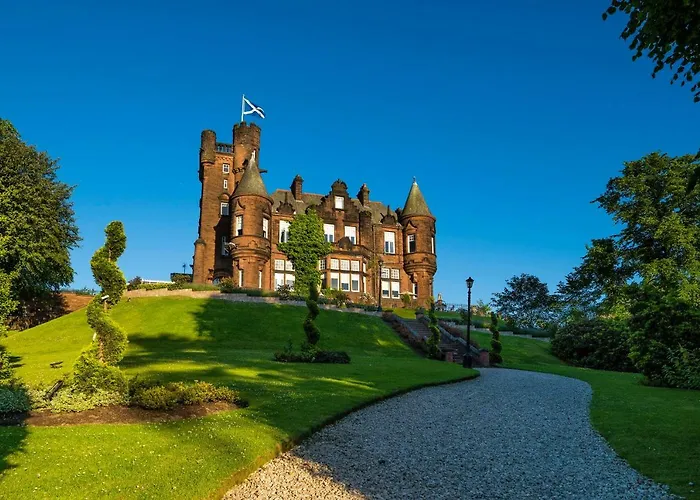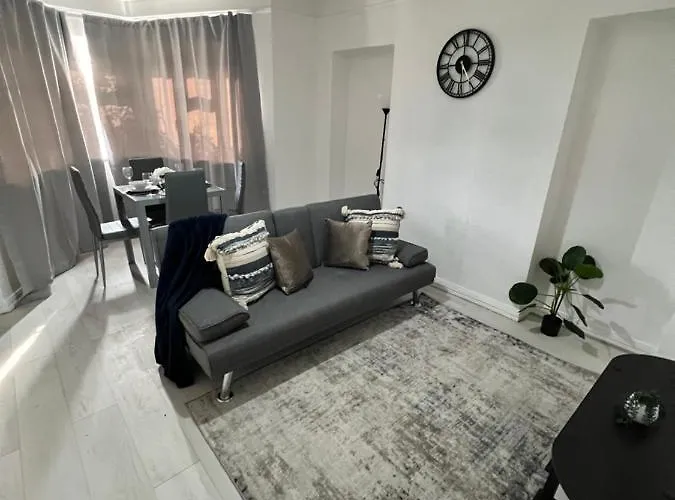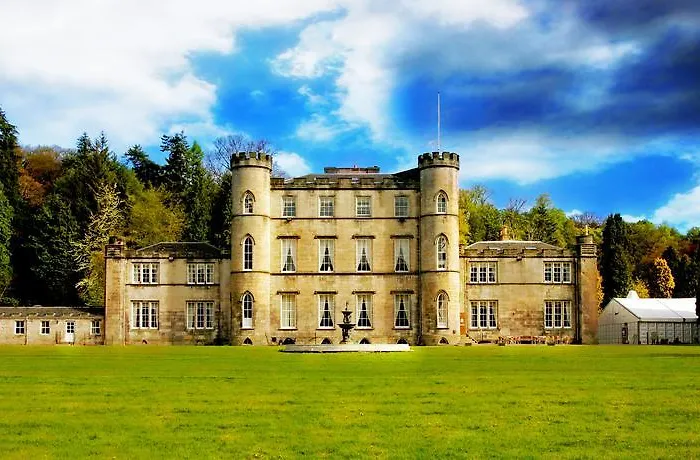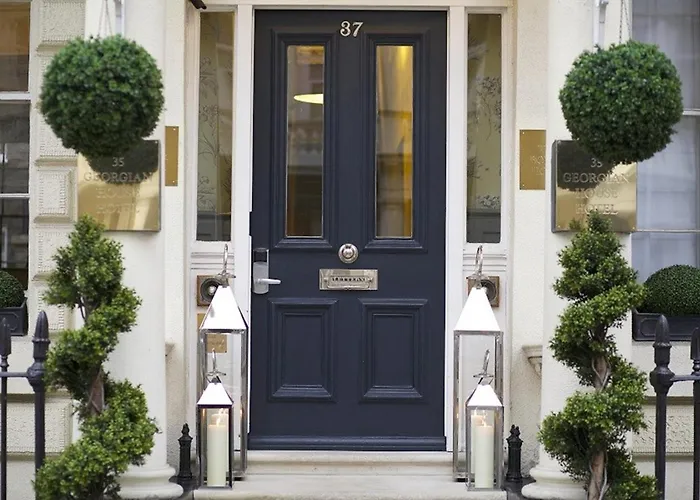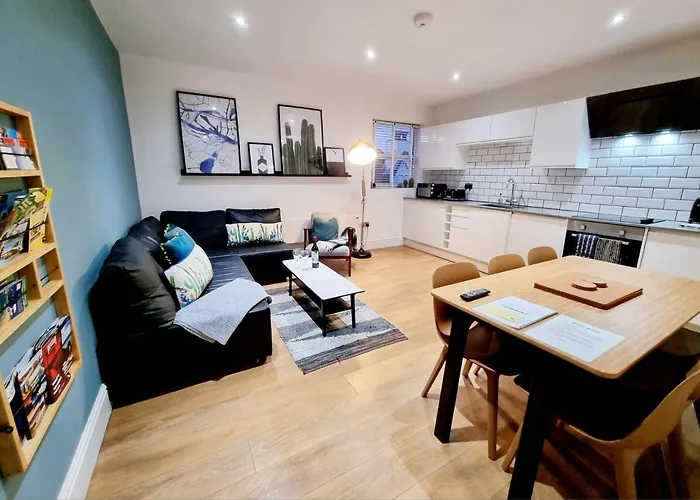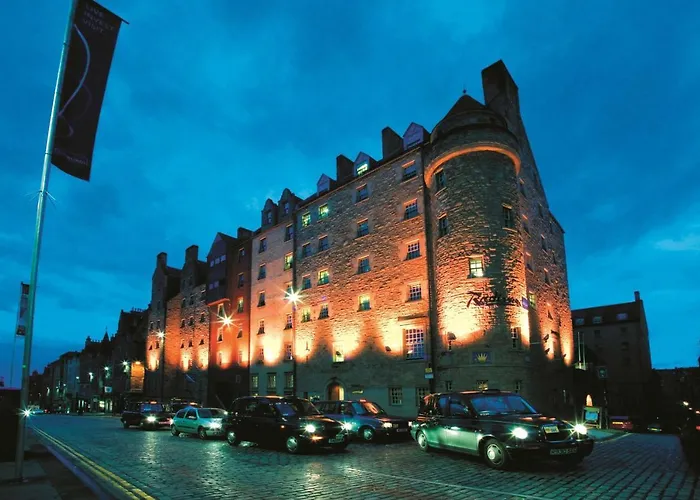
Through engaging stories, insightful travel tips, and curated recommendations, we aim to provide you with a comprehensive resource for planning your adventures across England. From the majestic castles of Scotland to the rolling hills of the Cotswolds, from the vibrant streets of London to the serene beauty of the Lake District, we'll take you on a virtual tour that showcases the diversity and splendor of this remarkable country.
Our blog is dedicated to all travel enthusiasts seeking to unravel the hidden treasures, rich history, and breathtaking landscapes that England has to offer.Whether you're a history buff, a nature lover, or a connoisseur of arts and culture, our blog is here to inspire and guide you through your exploration of England.
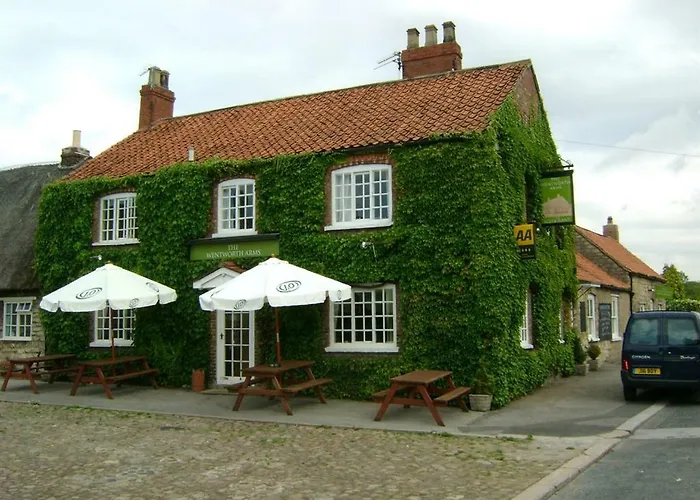
Experience the charm of traditional English villages and embrace the warmth of its welcoming communities.
Whether you're planning a weekend getaway, a city break, or a longer exploration of the United Kingdom, 123Soho is your go-to resource for discovering the best of England. Our blog is filled with practical advice, insider tips, and hidden gems that will help you create unforgettable memories and make the most of your journey.
So, get ready to embark on a captivating adventure through England's picturesque landscapes, vibrant cities, and captivating heritage. Let 123Soho be your trusted companion as you unlock the treasures of the United Kingdom, one destination at a time.